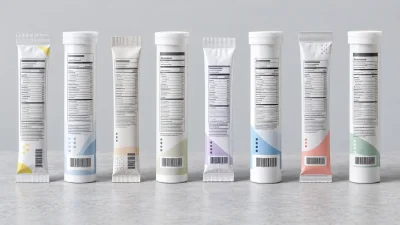
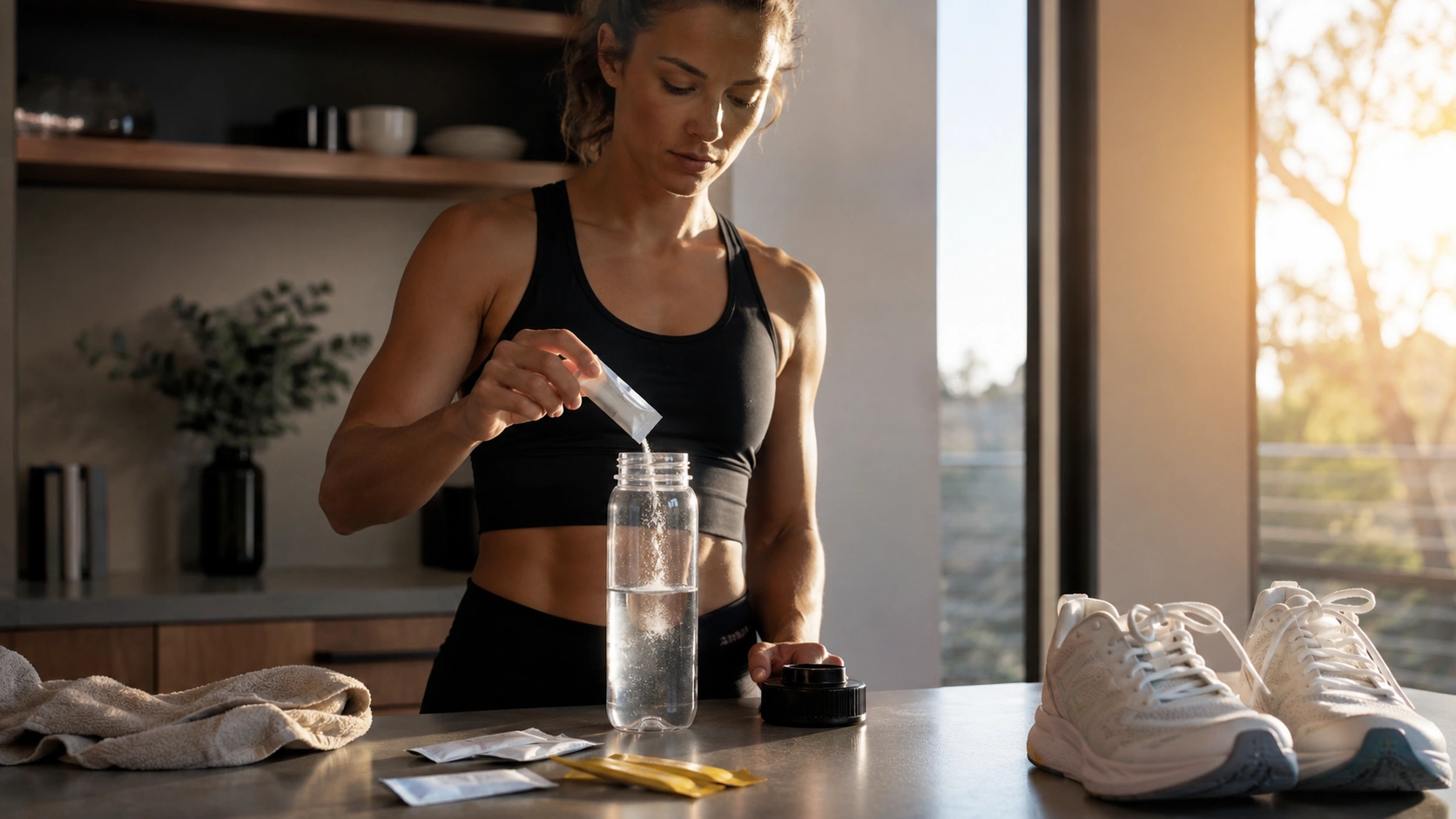
Somewhere between the gym bottle, the gas station cooler, and the influencer holding a neon packet over a glass of ice, electrolytes became less of a sports nutrition tool and more of a personality trait.
Hydration used to sound simple. Drink water. Do not ignore thirst. Avoid passing out on a football field in August. Now every casual walk, desk job, Pilates class, and five-minute sauna session seems to come with a question: should I be adding electrolytes?
The answer is not no. It is also not always. The smarter answer starts with a working rule: most ordinary workouts do not require an electrolyte drink. But when exercise stretches past 90 minutes, sweat loss climbs, heat enters the picture, or recovery needs to happen fast, electrolytes move from optional accessory to useful performance support.
That does not mean everyone needs a sugar-loaded sports drink after a 30-minute treadmill session. It means hydration should match the stress. Your body does not care what the label says. It cares about fluid, sodium, heat, duration, sweat rate, and whether you are asking it to perform again tomorrow.
The Direct Answer: When Do You Actually Need Electrolytes?
You usually need electrolyte replacement when your workout is long, hot, sweaty, repeated, or intense enough to create meaningful fluid and sodium loss. For many people, that threshold begins around 90 minutes of continuous training, especially if the session happens in heat or humidity.
For shorter workouts, plain water and a normal meal are usually enough. That includes most strength sessions, casual jogs, indoor cycling classes, brisk walks, and general fitness routines under an hour. The body is not fragile. It does not lose its mineral balance every time you break a sweat.
But training conditions matter. A 45-minute workout in an air-conditioned room is different from 45 minutes of outdoor hill sprints in July. A 70-minute easy bike ride is different from a two-hour soccer practice in full sun. A person who barely sweats is different from the athlete whose shirt looks like it came out of a washing machine.
The point is not to worship the 90-minute mark like a law. The point is to use it as a practical decision line.
Why 90 Minutes Became the Practical Line
The body loses water and sodium through sweat. During shorter or moderate exercise, those losses are usually small enough that water and regular food can restore balance. As exercise gets longer, especially in heat, the loss becomes more meaningful. That is where sodium intake starts to matter.
Sodium is not just salt. In performance hydration, sodium helps the body hold on to fluid, supports nerve signaling, and helps muscles function under stress. Potassium, magnesium, calcium, and chloride also matter, but sodium is the main electrolyte lost in sweat and the one most directly tied to prolonged exercise hydration.
The American College of Sports Medicine has emphasized starting exercise well hydrated and with normal electrolyte levels. ACSM also notes that sodium before exercising in the heat can help maintain fluid and electrolyte balance. That does not mean every person needs to drink a sports beverage before every workout. It means long-duration and heat-stress training changes the hydration equation.
Think of the 90-minute rule as a filter. Under 90 minutes, start with water. Over 90 minutes, especially with heavy sweating, heat, or back-to-back sessions, consider a drink or food strategy that includes sodium and fluid.
Short Workouts: Water Usually Wins
For a typical workout under an hour, plain water is usually enough. That applies to most gym sessions, moderate cardio, mobility work, short runs, recreational basketball, and beginner fitness classes.
The reason is simple: if the session is not long enough or hot enough to produce major fluid and sodium losses, your normal diet can usually cover the minerals. Most people already get sodium from meals. Many also get potassium through fruits, vegetables, beans, dairy, potatoes, and other everyday foods.
This is where electrolyte marketing can get ahead of physiology. A packet may make water taste better. It may help someone drink more. It may be useful for certain people who sweat heavily. But needing flavor and needing electrolyte correction are not the same thing.
If your workout is 35 minutes and indoors, your best hydration plan may be beautifully boring: drink water before training, sip if thirsty during training, then eat a real meal afterward.
Long Workouts: Electrolytes Start to Matter
Once exercise moves past the 90-minute range, the body enters a different zone. Fluid loss accumulates. Sodium loss accumulates. Energy availability may become a factor. The longer the session, the more hydration becomes a strategy instead of an afterthought.
This applies to endurance runs, long bike rides, tournament play, summer football practice, long hikes, intense boot camps, marathon training, outdoor labor, and multi-hour sports events.
At that point, sports hydration is not only about preventing thirst. It is about supporting blood volume, temperature regulation, muscle function, and performance output. Waiting until you are already dragging may be too late. Once dehydration has affected pace, focus, or coordination, catching up during the same workout becomes harder.
A smart long-workout plan usually includes fluid plus sodium. Depending on the session, it may also include carbohydrates. That could mean an electrolyte drink, a sports drink, salted food, electrolyte capsules, or a bottle paired with a fueling plan.
Heat Changes Everything
Heat is the great hydration multiplier. A workout that feels manageable in October can become a completely different physiological event in July. Hot and humid conditions increase sweat loss because the body works harder to cool itself. Mayo Clinic notes that hot, humid weather increases fluid loss through sweating, and replacing fluids during hard activity helps prevent dehydration.
Humidity adds another layer. Sweat does not evaporate as efficiently when the air is already heavy with moisture. That means your body may keep sweating without cooling as effectively. The result is more fluid loss for the same perceived effort.
This is why a 60-minute outdoor summer session may require more hydration attention than a 90-minute indoor session in a cool room. The clock matters, but the environment matters too.
Use electrolytes sooner when the workout is hot, humid, exposed to direct sun, or performed in heavy gear. This includes youth sports practices, construction work, outdoor boot camps, summer races, and long walks or hikes where shade is limited.
The Heavy Sweater Exception
Some people need electrolytes earlier than others because they lose more salt when they sweat. You may be a heavy or salty sweater if your clothes have white salt marks after training, sweat stings your eyes, your skin feels gritty, you cramp often in heat, or you finish workouts with headaches and unusual fatigue.
Heavy sweaters should not rely only on generic advice. Two athletes can complete the same workout in the same weather and lose very different amounts of fluid and sodium. One may need only water. The other may need a structured hydration strategy that includes sodium before, during, and after training.
This is not about chasing trends. It is about matching intake to loss. If you are consistently wiped out after sweaty sessions, or if your performance falls apart in heat, hydration deserves a closer look.
What Should Be in an Electrolyte Drink?
The most important ingredient for long, sweaty workouts is usually sodium. Many products advertise magnesium, potassium, and trace minerals, but if the drink has almost no sodium, it may not be doing what you think it is doing for sweat replacement.
For general hydration, a lower-sodium product may be fine. For endurance training, heat exposure, or heavy sweating, check the label. The right amount depends on sweat rate, workout length, climate, diet, blood pressure considerations, and individual tolerance.
Carbohydrates are another decision point. If the goal is hydration during a short session, you may not need sugar. If the goal is performance during a long run, ride, match, or practice, carbohydrates can help maintain energy while sodium supports fluid balance.
That is why all electrolyte products should not be treated as the same. Some are light flavor enhancers. Some are sodium-forward hydration tools. Some are sports drinks with sugar for endurance fuel. Some are wellness products dressed in performance clothing.
Do Not Overcorrect: More Electrolytes Is Not Always Better
Electrolytes are essential, but more is not automatically better. People with high blood pressure, kidney disease, heart conditions, or those taking certain medications should be cautious with high-sodium products and should speak with a medical professional before using concentrated electrolyte supplements regularly.
Overhydration is also a real concern in endurance events. Drinking large amounts of plain water without enough sodium during prolonged activity can dilute blood sodium levels. That is one reason long-event hydration plans should avoid both extremes: not drinking enough and drinking excessive water without electrolytes.
Performance hydration lives in the middle. Drink enough. Replace what you lose. Do not turn every bottle into a chemistry experiment.
A Simple Workout Hydration Framework
Under 45 Minutes
For most people, water is enough. Start the workout normally hydrated. Drink if thirsty. Eat a balanced meal later. Electrolytes are usually unnecessary unless the workout is very hot, unusually intense, or you are a heavy sweater.
45 to 90 Minutes
Water still works for many people, especially indoors. Consider electrolytes if the workout is outdoors, sweaty, fast-paced, or part of a two-a-day training schedule. This is the gray zone where personal sweat rate matters.
Over 90 Minutes
Plan for workout hydration before you start. Use fluid plus sodium during the session. If the workout is endurance-based or intense, consider carbohydrates as well. Do not wait until the final 20 minutes to rescue a failing hydration plan.
After Heavy Sweating
Recovery should include fluid, sodium, and food. The National Athletic Trainers' Association recommends refueling within two hours of physical activity to replace fluid, electrolytes, carbohydrates, and protein. That does not have to mean a commercial recovery drink. A meal with water can do a lot of the work.
What About Kids and Teen Athletes?
Youth athletes deserve special attention because they often train in groups, wear equipment, and may not self-monitor well. Coaches and parents should watch conditions, not just effort. A child practicing football in pads, a teenager playing tournament soccer, or a runner training during a heat advisory may need more than casual water breaks.
The safest approach is structured access. Water should be available before, during, and after activity. For longer sessions, hot days, and heavy sweat sports, electrolytes can be part of the plan. The goal is not to make children dependent on sports drinks. The goal is to prevent avoidable dehydration and support safe performance.
The Bottom Line
The 90-minute rule is not a gimmick. It is a practical way to stop overusing electrolyte products for easy workouts while still respecting the real demands of long, hot, sweaty training.
If your workout is short, indoors, and moderate, drink water. If your workout is long, hot, intense, or sweat-heavy, bring electrolytes into the plan. If you train hard enough to care about performance, then hydration should be treated like training itself: specific, intentional, and matched to the work.
The best bottle is not the one with the loudest label. It is the one that fits the session.